
Sulphuric acid
The largest use: sulphur is burned to produce sulphuric acid for industry.
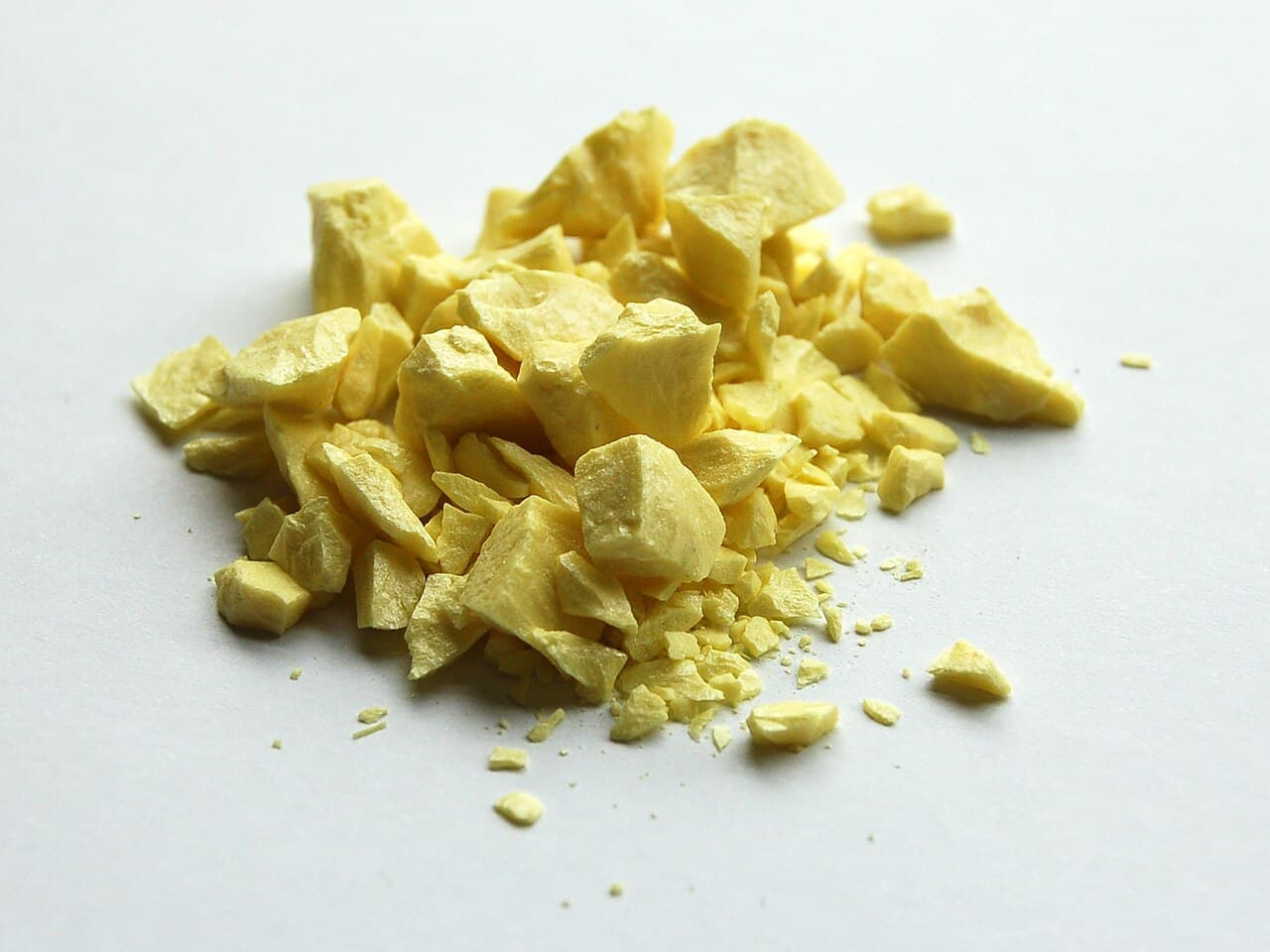
Commodity · granular sulphur
We handle granular sulphur for industrial buyers. Grade, specification and supporting analysis documents are agreed in writing for each transaction.
About the product
Elemental sulphur is one of the most widely traded industrial raw materials. Most of it is burned to make sulphuric acid, which goes into phosphate fertilisers, metal leaching and chemical manufacturing.
Because buyers' requirements differ — by purity, moisture, ash and particle size — we do not publish a single standard grade. Each offer is tied to a written specification and the analysis documents that support it.
The largest use: sulphur is burned to produce sulphuric acid for industry.
Phosphate fertiliser production and sulphur-enriched soil products.
Chemical processing, rubber vulcanisation and specialty chemicals.
Acid leaching of copper, nickel and other ores.
Commodity · granular sulphur
These are the parameters buyers typically specify. Values are confirmed for each transaction and backed by a certificate of analysis.
| Parameter | What it describes |
|---|---|
| Purity (S, dry basis) | Share of elemental sulphur in the product |
| Moisture | Water content, affecting handling and net weight |
| Ash | Non-combustible residue after burning |
| Acidity (as H₂SO₄) | Free acid content |
| Carbon / organics | Hydrocarbon content, important for acid plants |
| As, Se, Te | Trace impurities, often limited for fertiliser use |
| Particle size | Granule size distribution and share of fines |
Which documents apply, and who issues them, is set out in each contract.
How we work
You tell us the product or project, quantity or scope, country and timing.
We clarify technical requirements, responsibilities and what is — and is not — included.
Both sides confirm identity, authority to sign and the documents the transaction needs.
Price, specification, documents and responsibilities are set out in a signed contract.
Business areas
 International tradeImport, export, agency and distribution across energy, industrial, food and commodity products.Learn more
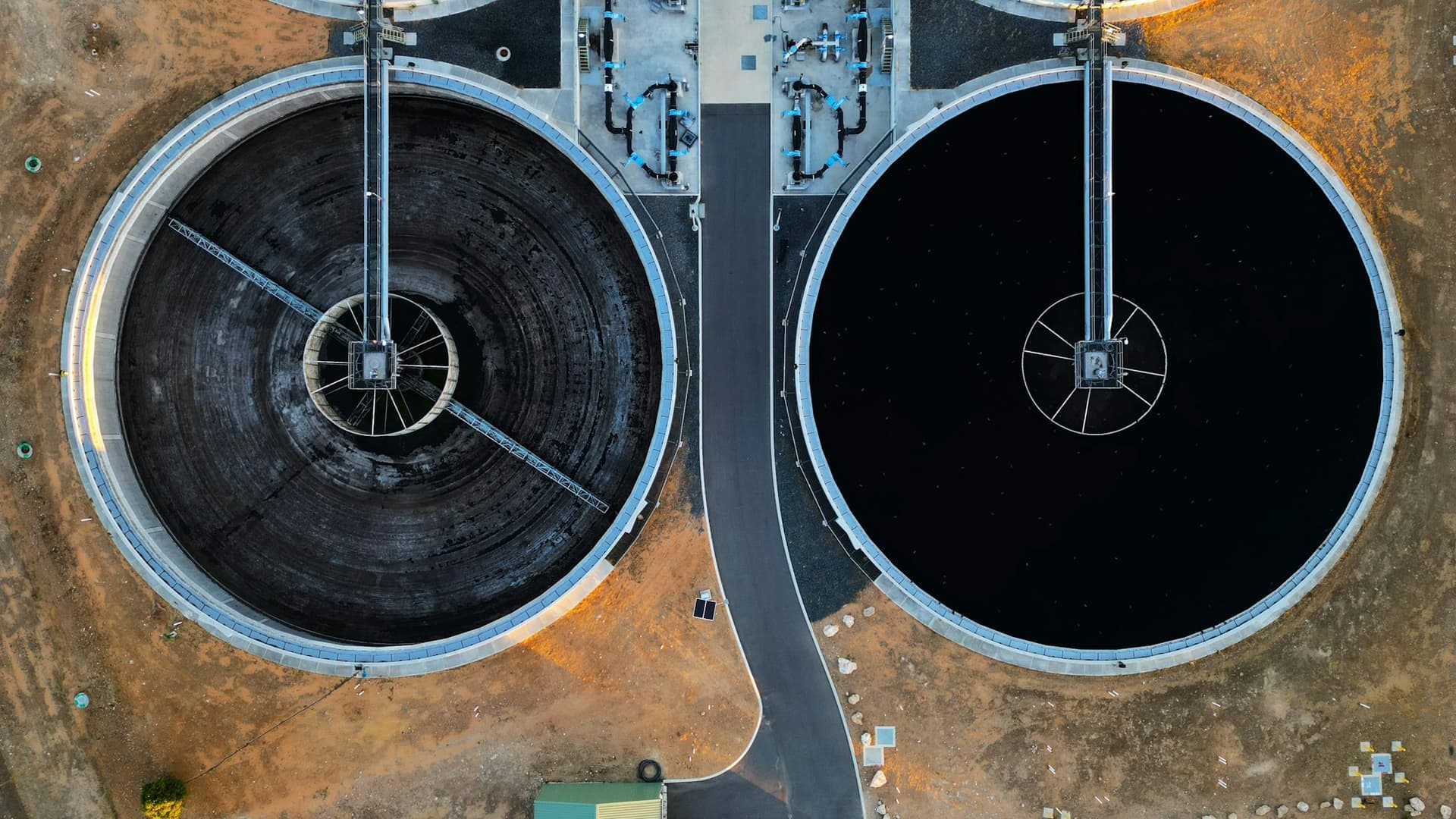 Environmental systemsWater and wastewater treatment, filtration, desulphurisation and waste recovery.Learn more
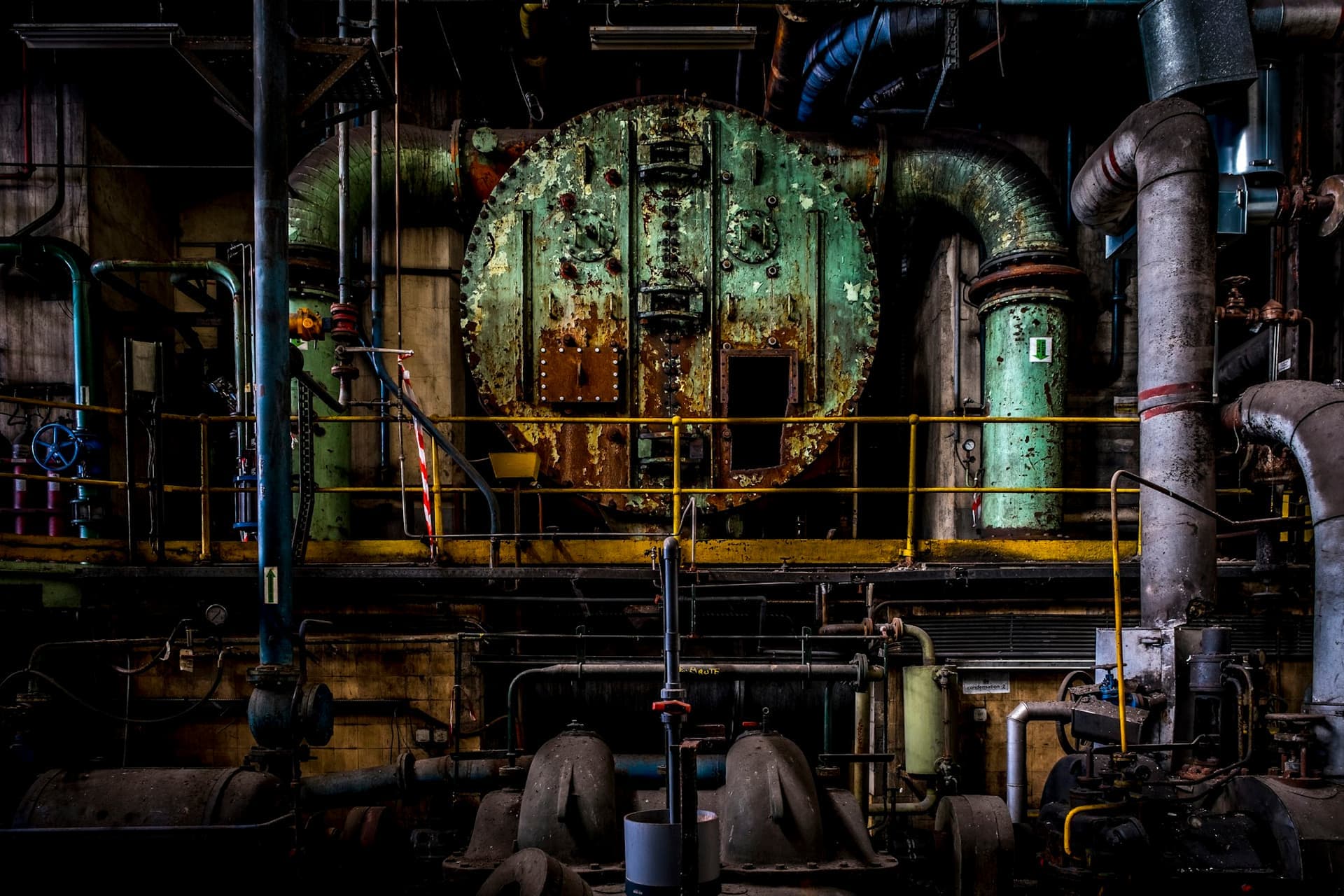 Industrial systemsTurbines, generators, boilers, heat-recovery units, turnkey installation and service.Learn more